
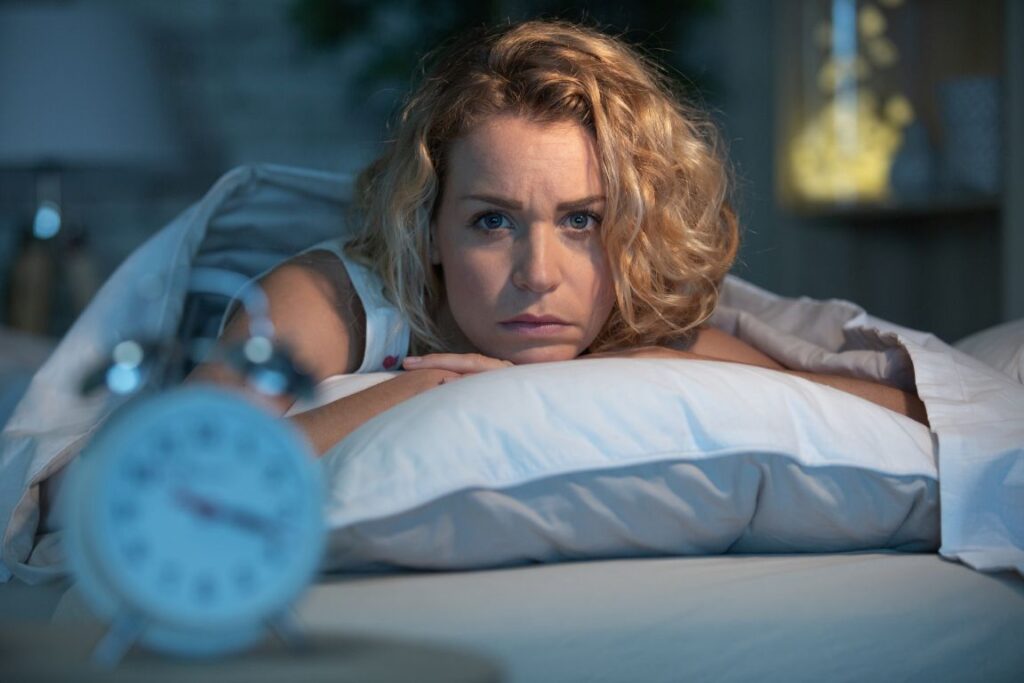
Sleep apnea can be a very confusing condition. Between the fact that many of the symptoms occur when you’re not awake, or even that it can look different for every person, it can often be hard to distinguish between truth and rumors surrounding the disorder. Here’s a closer look at five common myths about sleep apnea, and the answers you need to finally put them to bed!
Myth #1: It Only Affects Adults
Although sleep apnea is less common in children, it is still estimated that about three percent of children could have the condition, and between 10 and 20 percent of kids who snore could be affected. If you notice any telltale signs in your child such as daytime exhaustion, trouble focusing, and irritability or moodiness along with nighttime symptoms like snoring, and trouble falling and staying asleep, speak to their pediatrician about having them evaluated for a sleep disorder.
Myth #2: It Only Develops if You’re Overweight
Obesity is a one of the most common risk factors for sleep apnea, but that doesn’t mean you need to be overweight to get it. This condition affects people of all shapes and sizes, including those with a large neck, tonsils, or overbite, and even those with a recessed chin or small jaw
Myth #3: Everyone Who Snores Has Sleep Apnea and Everyone with Sleep Apnea Snores
While it’s true that snoring is a key warning sign that you could have sleep apnea, it doesn’t necessarily mean that you do. In fact, there are plenty of people who snore and who don’t have any sleep disorders at all. Conversely, just because you have sleep apnea doesn’t mean you’ll snore. This condition has many symptoms that may or may not affect all patients, including frequent waking, insomnia, struggling to breathe while sleeping, daytime lethargy, depression, cognitive impairment, and morning sore throats or headaches.
Myth #4: Women Don’t Get Sleep Apnea
Although it is more common in men over the age of 50, sleep apnea can affect people of any age or gender. Unfortunately, in many cases women are misdiagnosed or under diagnosed because their symptoms can be very different from men’s. Typically, their snoring or apneas are quieter and less disruptive, so their partners are less likely to bring it up. Furthermore, because their daytime symptoms such as headaches and mood disturbances can be attributed to other disorders, they are often blamed on something else entirely.
Myth #5: CPAP Is the Only Treatment Option
Although CPAP machines are usually the first and most common treatment method used for many cases of sleep apnea, it’s certainly not the only option, nor is it the best. While it can be helpful if used as directed, many patients find these machines uncomfortable and don’t end up using them as prescribed. The good news is that devices like the Vivos DNA Appliance are often a more comfortable and effective alternative to CPAP.
Available only from a qualified sleep dentist, they are custom made to fit your mouth and position your jaw correctly, so your airway is naturally propped open while you sleep, allowing you to breathe comfortably without the use of forced air. To see if you qualify for a sleep appliance, speak to your sleep dentist.
Remember, while there are plenty of myths out there about sleep apnea, the truth is that this condition is not only treatable, but doing so can greatly improve your rest and overfall quality of life. To learn more about how you can get comfortable treatment with oral appliance therapy, schedule a consultation with your sleep dentist today.
About Our Practice
At Exceptional Dentistry Pain & Sleep Solutions, we are pleased to offer life-changing sleep apnea solutions like the Vivos DNA appliance. These dynamic devices help you breathe better during the night so you can get the complete, comfortable sleep you deserve. To learn more this treatment and how you can finally get a good night’s rest, schedule a consultation with us today by visiting our website or calling 301-460-3331.