
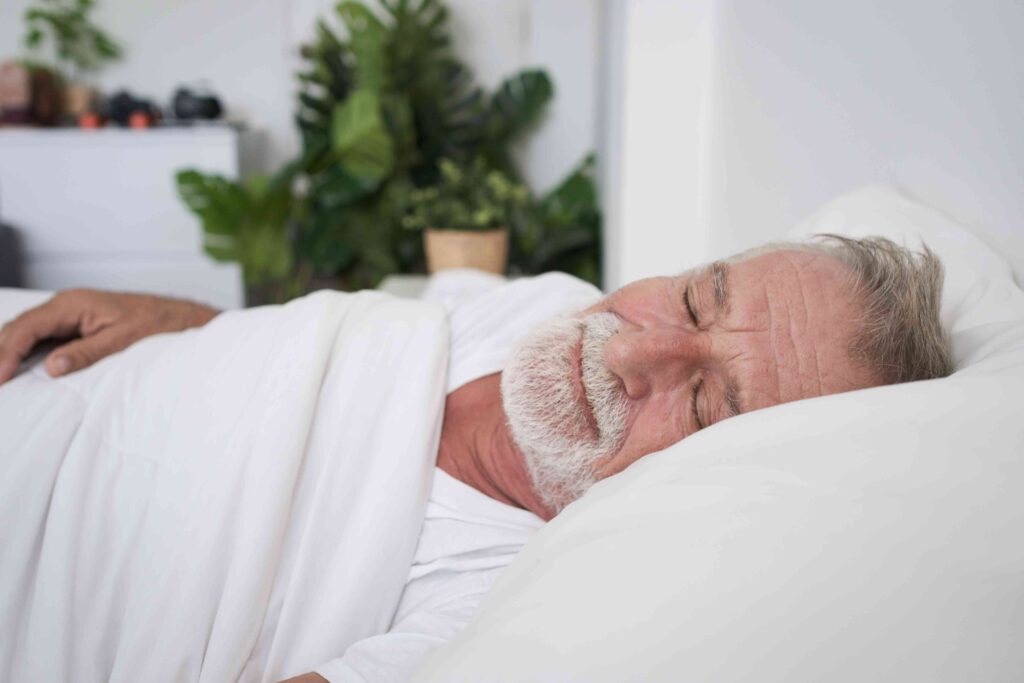
Sleep apnea is a common sleep disorder that can result in serious complications. This condition causes the sufferer to repetitively stop and start breathing throughout the night. This condition causes the sufferer to repetitively stop and start breathing throughout the night. This interrupts the sleep schedule, leading to fatigue, headaches, difficulty focusing, and more. According to the American Academy of Sleep Medicine, a new study has shown that having sleep apnea can make you age faster than if you don’t have sleep apnea. Continue reading to learn more.
How Did the Study Work?
The study included 622 adults – both men and women, with an average age of 69 years old. Participants were measured for blood DNA methylation, and their sleep was being evaluated at home by polysomnography. The researchers then studied participants’ blood to look for epigenetic changes in their DNA. At the end of the study, it was determined that the participants who had the highest severity of sleep=disordered breathing had accelerated epigenetic aging. This trend seemed to affect women more than it affected men.
What Are the Signs of Sleep Apnea?
If you or your partner have any of the signs or symptoms below, it’s possible that it could be caused by sleep apnea. Here are some of the ones you should be on the lookout for:
- Snoring
- Dry mouth
- Gasping for air during sleep
- Insomnia
- Irritability
- Hypersomnia
- Morning headaches
- Difficulty focusing
How Is Sleep Apnea Treated?
Depending on the severity of the condition, sleep apnea can be treated in a variety of ways. Here are some of the most effective ones.
- Lifestyle Changes: If you have mild sleep apnea, you might be able to improve your symptoms by making some lifestyle changes. For instance, by losing excess weight, abstaining from alcohol and tobacco, and sleeping in an alternative position, you might see results.
- Continuous Positive Airway Pressure (CPAP): This treatment involves wearing a mask over the nose during sleep. The mask is hooked up to a machine that delivers a constant flow of air. This treatment can be very effective, but many people find it uncomfortable and bulky, so they are less likely to be compliant with their treatment.
- Oral Appliances: Those who have mild to moderate sleep apnea but are unable to tolerate or get relief from CPAP may prefer an oral appliance. They are customized and worn in the mouth at night. They work by keeping the jaw in proper position to prevent obstruction.
If you think that you might have sleep apnea, let your dentist know. By talking about your symptoms and going over your options, you can put together a plan that best meets your needs.
About the Practice
At Exceptional Dentistry, Dr. Sara Saba, Dr. Cyrus Allafi, and Dr. Sheetal Solanki work together to treat patients in the Silver Springs community. With their combined experience and expertise, patients can get pretty much anything they need under one roof. To learn more about sleep apnea or to schedule an appointment, visit their website or call (301) 460-3331.