
Obstructive Sleep Apnea – Aspen Hill, MD
Enjoy Quality Rest with Effective Sleep Apnea Treatment
Obstructive sleep apnea (OSA) is a sleep disorder where breathing stops or becomes shallow repeatedly during sleep due to a blocked airway. It's estimated that 22 million Americans suffer from OSA, but about 80 percent remain undiagnosed. At Exceptional Dentistry, Dr. Saba and the rest of the team are dedicated to providing safe and effective solutions to enhance patients' well-being. Early treatment of OSA can significantly improve quality of life. Reach out to schedule an appointment and discover how we can help you breathe easier and sleep better!
What Is Obstructive Sleep Apnea?
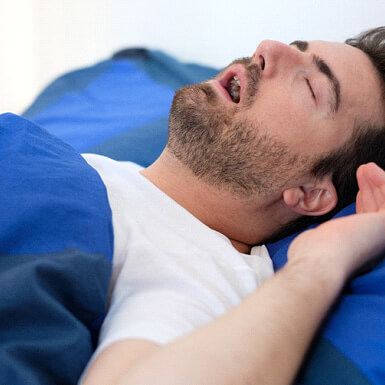
Sleep apnea presents in two main types, both characterized by frequent pauses in breathing during sleep. Central sleep apnea arises from a failure of the brain to send signals prompting breathing. The more common form, obstructive sleep apnea (OSA), occurs when tissues in the upper airway obstruct airflow, causing repeated breathing interruptions. Patients with OSA may experience numerous pauses in breathing each night, ranging from dozens to hundreds.
Causes of Obstructive Sleep Apnea
Obstructive sleep apnea typically occurs when the airway becomes partially or completely blocked during sleep. As throat muscles relax, they collapse, obstructing airflow and leading to pauses in breathing. After around 10 seconds without breathing, oxygen levels drop, prompting the brain to wake the body to resume breathing. This cycle can vary in intensity, with some patients experiencing numerous episodes throughout the night.
Possible Complications of Obstructive Sleep Apnea
When left untreated, obstructive sleep apnea can severely impair a person's daily functioning, leading to various serious complications, such as:
- Elevated risk of drowsy driving accidents
- Workplace accidents due to decreased alertness
- Increased likelihood of stroke or heart attack
- High blood pressure
- Development of diabetes and heart disease
- Chronic fatigue
- Mood swings and irritability
- Weight gain and obesity
- Bedwetting
- Decreased libido
- Frequent headaches
When Should You See a Doctor?

Recognizing when it's time to seek medical help isn't always straightforward, particularly if you don't have someone observing your sleep patterns. However, if you or a loved one notice any of the signs below, don't hesitate to reach out to us at Exceptional Dentistry. We'll promptly schedule a consultation to assess your situation and determine the best course of action.
Contact us if you notice the following:
- Disturb others with your loud snoring
- Awaken suddenly gasping or choking due to breathing pauses
- Discover that you frequently stop breathing while asleep
- Struggle with persistent daytime fatigue impacting your work or driving ability
Obstructive Sleep Apnea FAQs
Can I Diagnose My Own Obstructive Sleep Apnea?
There are several warning signs associated with obstructive sleep apnea, including loud snoring, excessive sleepiness during the day, and morning headaches. However, many of these symptoms can have other explanations. The only way to confirm whether or not you currently have sleep apnea is to undergo a sleep study. Our team will be able to help you find an appropriate solution for your sleep disorder once a professional diagnosis has been made.
Do Anti-Snoring Devices Really Work?
Obstructive sleep apnea often results in loud snoring. Not only can the sound sometimes wake the patient up, but it can also disturb people trying to sleep nearby. Fortunately, wearing an anti-snoring device in the form of a personalized oral appliance can often go a long way toward helping you enjoy quieter, more restful nights.
At our practice, we offer the Vivos DNA Appliance as a solution for snoring and sleep-disordered breathing. The device helps expand the upper airway, which lowers the chances of obstructions occurring while you sleep. This ultimately improves airflow and reduces your snoring.
Who is Most at Risk for Obstructive Sleep Apnea?
In general, men are more likely to suffer from obstructive sleep apnea than women. However, women who are past menopause or are currently pregnant tend to have an elevated risk of experiencing the disorder.
On top of that, being overweight is considered one of the top risk factors for obstructive sleep apnea. Fat deposits in the neck can result in a narrower airway that is more easily blocked. As such, losing weight can be an effective way to lower your risk for sleep-disordered breathing.
Are There Home Remedies for Obstructive Sleep Apnea?
There are certain steps you can take at home to manage your obstructive sleep apnea. For example, sleeping on your side instead of on your back often helps since it stops the tongue from falling back toward the throat and blocking the flow of air.
That being said, while home remedies can reduce sleep apnea symptoms, they don’t necessarily address the root of the problem. If you want to properly treat your sleep-disordered breathing, then you should get in touch with a sleep apnea specialist in Aspen Hill as soon as possible.
How Long Do Sleep Apnea Episodes Last?
A pause in your breathing that lasts for at least 10 seconds is considered a sleep apnea episode. The frequency of these episodes can vary depending on how severe your sleep apnea is. Some individuals may experience as few as 5 episodes each hour, but others may suffer from as many as 30 interruptions in the same timeframe. A sleep test can help determine how often sleep apnea events occur and how long they last.